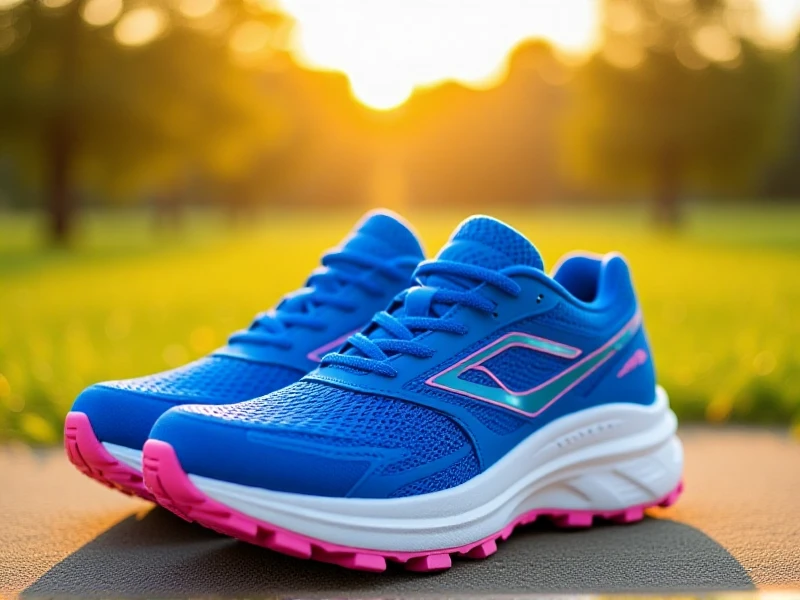
Finding Your Perfect Pair of Running Shoes: A Guide for Every Runner
Every stride counts, and having the right running shoes makes all the difference between a rewarding run and potential discomfort or injury. With countless options available, choosing your ideal pair can feel overwhelming. This guide simplifies the process, focusing on key factors to help you find shoes that support your unique running journey.
The most crucial step is understanding your running style and terrain. Are you primarily logging miles on pavement, hitting forest trails, or alternating surfaces? Road running shoes offer cushioning and durability for concrete and asphalt, while trail running shoes feature aggressive lugs and reinforced uppers for grip and protection on uneven paths. Hybrid options exist for mixed usage. Match the shoe type to your predominant training environment.
Next, consider your foot strike and gait. Do you pronate (your foot rolls inward), supinate (rolls outward), or have a neutral stride? Many running shoe models offer different support levels:
- Stability Shoes: Designed for mild to moderate overpronators, incorporating features like medial posts or guide rails to support the arch and control inward rolling. Great options include the Brooks Adrenaline GTS series or ASICS Gel-Kayano.
- Neutral Cushioned Shoes: Ideal for runners with neutral pronation or supination, focusing on cushioning and flexibility without corrective elements for pronation. Popular choices are the Hoka Clifton, Saucony Ride, or Nike Pegasus lines.
- Motion Control Shoes: Offer maximum support for severe overpronators, often featuring firmer midsoles and structured heel counters. Brands like Brooks (Beast/Ariel) and New Balance (928) excel here. Consulting a gait analysis at a specialized running store is highly recommended for tailored advice.
Don’t underestimate comfort and fit. Your running shoes should feel snug but not tight, offering a thumb's width of space between your longest toe and the shoe’s end. The heel should be locked in place without slipping. The midfoot should be comfortably secure, not pinched. Width options are essential – never cram your feet! Remember to try shoes on in the afternoon when feet naturally swell slightly. Prioritize feel over visuals or trends.
Quick Tips for Selection:
- Replace regularly: Most running shoes lose significant cushioning and support after 300-500 miles.
- Consider your goals: Training for a marathon? Focus on durability and comfort over long distances. Speedwork? Look for lighter, more responsive options.
- Sock test: Wear the running socks you typically train in during your fitting.
Investing time in finding the perfect running shoes is an investment in your performance and enjoyment. Understanding your needs, focusing on gait, prioritizing fit, and choosing the right shoe for your terrain sets the foundation for stronger, more comfortable, and injury-free runs. Your ideal pair is waiting!