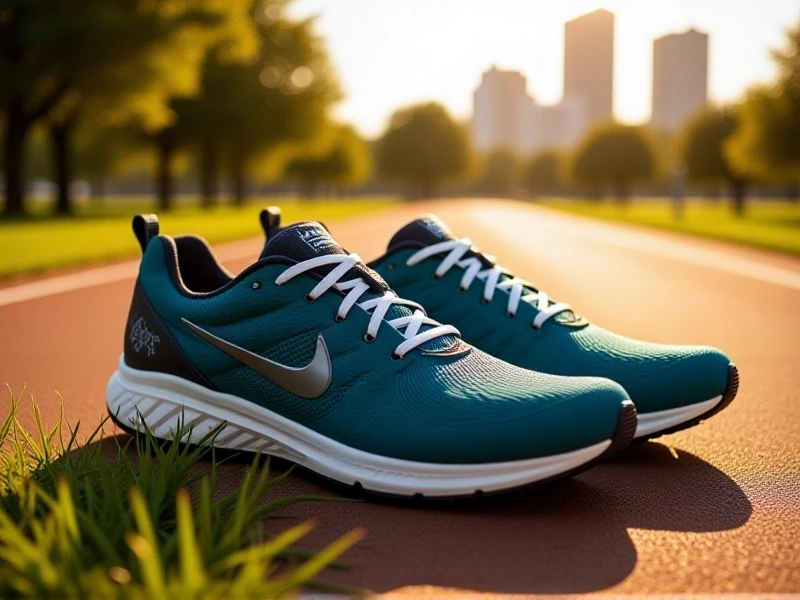
Finding Your Perfect Pair: The Ultimate Guide to Best Running Shoes
Hitting the pavement or conquering trails requires more than just motivation – your footwear is crucial. The right running shoes significantly impact your comfort, performance, and injury prevention. But navigating the vast world of footwear can be overwhelming. This guide simplifies your search for the best running shoes.
Why Proper Running Shoes Matter
Running places unique demands on your body. Quality running shoes are engineered to absorb impact forces two to three times your body weight with each stride. They provide essential cushioning for joints, enhance stability to control unnecessary foot movement, and offer responsive energy return to propel you forward efficiently. Worn-out or ill-fitting shoes are a primary cause of common running injuries like shin splints, plantar fasciitis, and knee pain.
Key Considerations for Choosing Running Shoes
- Your Foot Type & Gait: Understand your foot arch (high, neutral, low/flat) and whether your foot rolls inward (overpronation), outward (supination), or stays neutral when running. Specialty running stores often offer gait analysis to determine this. Motion control, stability, or neutral shoes are designed accordingly.
- Running Environment: Where you run dictates shoe needs:
- Road Running Shoes: Optimized for pavement and hard surfaces. Focus on cushioning, flexibility, and lightweight design.
- Trail Running Shoes: Prioritize aggressive treads for grip on uneven terrain, rock plates for underfoot protection, and enhanced durability/stability.
- Cross-Training/Gym Shoes: Different demands; prioritize lateral support for varied movements, not usually ideal for dedicated running.
- Cushioning Level: Preferences vary significantly. Some runners like a plush, maximally cushioned ride (e.g., HOKA Bondi, ASICS Nimbus), others prefer a firmer, more responsive feel (e.g., Brooks Hyperion). Test different levels to find your sweet spot.
- Fit & Comfort: This is non-negotiable. Your big toe should have about a thumbnail's width of space from the shoe's end. Heels should feel snug and secure without slipping. Width matters too – many brands offer wide or narrow options. Always try shoes on later in the day when feet are slightly swollen, and wear your typical running socks.
Types of Running Shoes Explained
- Neutral Cushioning: For runners with neutral gaits or underpronation (supination). Focus is on cushioning and flexibility without specific motion control features. (Examples: Saucony Ride, New Balance Fresh Foam X 880).
- Stability: Designed for mild to moderate overpronators. Incorporate features like medial posts or dual-density midsoles to gently guide the foot and control inward roll. (Examples: Brooks Adrenaline GTS, ASICS GT-2000).
- Motion Control: Offer maximum support for severe overpronators, typically featuring firm medial posts and structured heels. (Examples: Brooks Beast/Glycerin GTS, New Balance 1340).
- Highly Cushioned/Ultra-Cushioned: Provide maximum impact absorption and are popular for long distances or runners seeking plush comfort. (Examples: HOKA Bondi, ASICS Nimbus).
- Lightweight/Racing: Prioritize speed and responsiveness with minimal cushioning, often used for races, tempo runs, or competitive runners. (Examples: Nike Vaporfly, Saucony Endorphin Speed).
Finding Your Fit: Pro Tips
- Get Measured: Foot size can change! Have a professional measure your feet (length and width).
- Try Before You Buy: Visit a specialty running store for personalized fitting guidance and gait analysis if possible.
- Timing: Shop later in the day.
- Socks: Bring the socks you typically run in.
- Run In-Store: If allowed, jog on a treadmill or sidewalk near the store.
- Prioritize Comfort: Listen to your feet. Discomfort in the store often becomes pain on the run.
The Life of Running Shoes
Even the best running shoes have a lifespan. Experts generally recommend replacing them every 300-500 miles. Signs you need new shoes include noticeable loss of cushioning, smooth/torn tread, pronounced creasing in the midsole, or persistent aches/pains not caused by training changes.
Investing time and effort into finding the right pair of running shoes tailored to your body, gait, and running habits is an investment in your performance and, more importantly, your long-term enjoyment of the sport. Lace up the perfect pair and enjoy every stride!