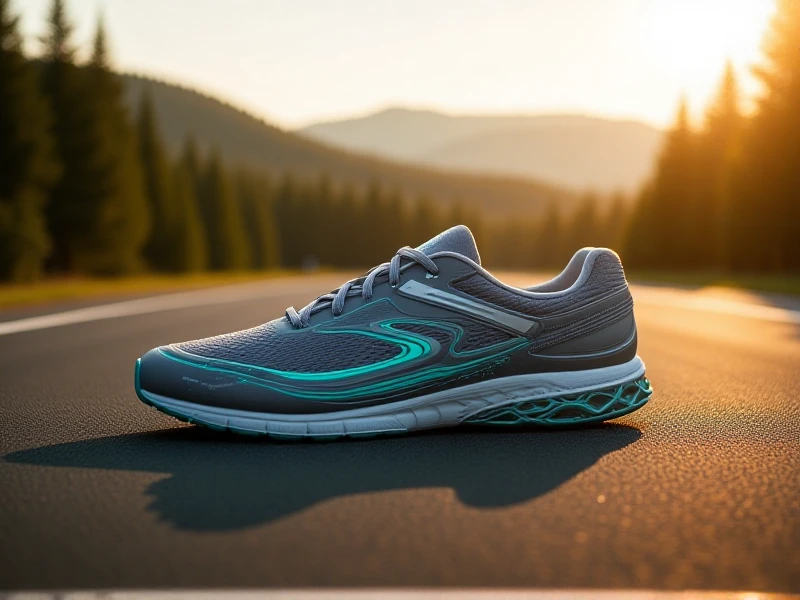
Finding Your Perfect Running Shoes: The Ultimate Guide
As a dedicated runner myself, I've learned firsthand that the right pair of running shoes can turn a grueling jog into an exhilarating experience. Whether you're prepping for your first 5K or logging daily miles, choosing the best running shoes isn't just about comfort—it's about injury prevention and peak performance. Many runners underestimate how crucial proper footwear is; a well-fitted shoe cushions your joints, improves alignment, and adapts to various surfaces like roads or trails. Ignoring this can lead to blisters, shin splints, or worse. Today, I'll break down what makes great running shoes, from core features to top recommendations, so you can hit the ground running with confidence.
Running shoes come in several types to match your unique needs. Neutral shoes, like the popular Nike Air Zoom Pegasus, provide balanced cushioning for runners with a natural stride who don't need extra stability—ideal if you have high arches or prefer lightweight flexibility. For those who overpronate (meaning your foot rolls inward excessively), stability shoes are a game-changer. Models such as the Brooks Adrenaline GTS offer reinforced midsoles and motion control to keep your steps steady and confident. Then there are trail running shoes built for rugged paths; their deeper lugs and waterproof materials, like in the Salomon Speedcross series, ensure superior grip and protection. Beyond type, focus on essential features: responsive cushioning in the midsole (think technologies like Adidas' Boost or ASICS’ Gel) absorbs shock for smoother runs, while breathable uppers and strategic mesh vents keep feet cool and dry. The weight matters too—opt for lighter designs if speed is your goal.
To choose your perfect pair, start by assessing your running style and surface frequency. If you're a road runner on pavement most days, prioritize durability and cushion. For weekend trail enthusiasts, traction is non-negotiable. Always try shoes in-store late in the day when your feet are slightly swollen, and consider aftermarket insoles if you have custom arch needs. Replace running shoes every 300-500 miles—look for creased midsoles or worn treads as clear signs. Ultimately, investing in high-quality running shoes elevates every run, reducing aches and boosting enjoyment. Ready to find yours? Explore our curated list to discover top picks that'll help you crush your goals, one comfortable mile at a time.